
Homeowner Newsletter, Fall 2025
©2025 Jeffrey C. May
Approximately one in four people has allergies and one in fourteen has asthma. If you are one of those people and are considering having a new home built or you want to renovate your current home, here are some cautions and tips I’d like to share with you.
Finishing a Basement
DO:
- Use sheet-foam insulation on the foundation behind finished walls, rather than installing fiberglass between the wall studs (mice like to nest in fiberglass).
- If you install a drywall ceiling, install 6-inch-wide strips of removable ceiling tiles at the exterior perimeter, or access panels at the drywall edge at every other joist bay. This will allow you to inspect the ceiling and wall cavities for pest activity and/or water intrusion.
- You MUST keep the relative humidity in a finished basement no higher than 60%; otherwise, some molds can grow, even in the absence of water. Measure the relative humidity with several thermo-hygrometers, placed on or near the floor in exterior corners.
As air cools, its relative humidity (RH) rises. Basements are naturally cool and damp. Many kinds of molds including allergenic Aspergillus and Penicillium species can flourish even in the absence of liquid water when the RH is over 80%.
- In the humid season (in New England, generally between mid-April and mid-November), dehumidify or air condition your finished basement.
- In the heating season, heat the finished basement, whether you are using the space or not. Set the thermostat at a minimum of 60oF.
DON’T:
- Install wood framing directly on concrete to create a raised floor (a raised floor can hide mold growth and water intrusion).
- Install wall-to-wall carpeting (the dust that is captured in the carpet fibers can be fodder for mold growth if the relative humidity is not being adequately controlled).
Even if a carpet is thoroughly HEPA vacuumed, the dust in the carpet can never be completely removed.
Other Tips for Renovation and Construction
DO:
- Isolate the work areas by setting up containment. When the work is done, thoroughly clean all surfaces in the work area as well as in adjacent areas to remove dust.
- Use only new drop cloths, because old ones could contain lead paint dust or allergens from previous jobs.
- Use portable heating and cooling units as needed. Then you can close down the duct system completely and cover all the supplies and returns with impervious material.
DON’T:
- Allow dusty work such as sanding drywall, sawing wood, or sweeping floors to take place when a hot-air or air-conditioning system is running, and the ducts are unprotected by filter material.
I’ve seen many newly constructed or renovated homes in which the duct systems were already contaminated with biodegradable sawdust as well as with drywall dust before people even moved in.
- Allow a return grille to be installed in a ceiling outside a full bathroom (then warm, moist air from the bathroom can rise up into the return and fuel mold growth).
- Allow a supply or return to be installed in an unfinished basement (unless for a separate basement system).
- Have a heat-pump hot-water heater installed in a small space (such pumps pull heat from the space, which cools the space and thus increases the relative humidity). For example, installation of a heat-pump, hot-water heater in a closet will lead to mold growth and inefficient operation of the heater.
- Allow joist bays to be used as returns (these are called “panned bays”) unless the bays are lined with clean, smooth surfaces. Otherwise, such “ducts” are open to framing that could be dusty or that could even contain mold growth (common in older homes).
Tips for Choosing a New Home That is Already Constructed
DO:
- Be sure that the basement doesn’t have visible mold growth or even a musty smell.
Even if you don’t spend much time in a basement, the air from a basement rises up into habitable areas above. That air can carry allergens and irritants in its airflows.
- Have an HVAC or indoor air quality professional inspect the ducts and air handling unit(s) for the possible presence of mold growth.
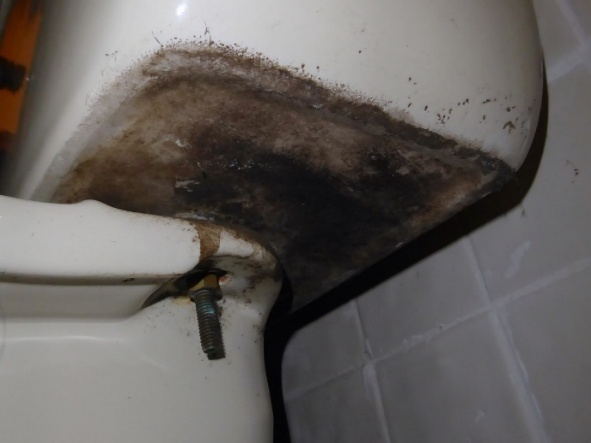
- Clean all surfaces in the home before you move in. Remember to remove dust from surfaces that people don’t usually think of cleaning, like kitchen-cabinet kick spaces, a refrigerator’s condensate pan and coils, and the bottom of a toilet tank.
- When you move, insist the movers use new moving blankets to protect your possessions. (Moving blankets that have been used before could contain mold growth or even pesticides.)
DON’T:
- Consider moving into a home with a dirt crawlspace.
- Keep wall-to-wall carpeting, including carpeting on stairs and in finished basements.
- Let the Seller leave any furnishings behind.
- Feather-filled furniture and pillows can emit allergens.
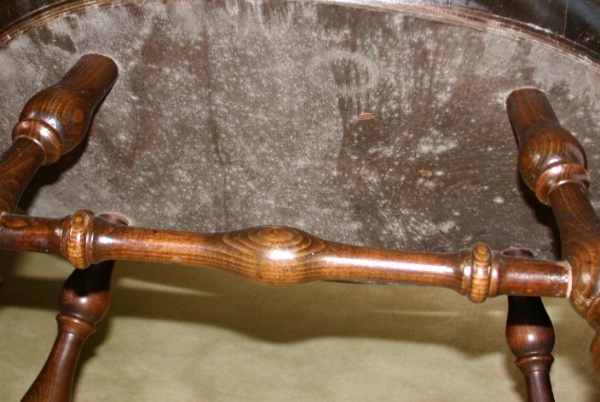
- Antiques can have mold growth on the backs and bottoms.
- Rugs can contain allergens.
RESOURCES
- For more advice on indoor air quality, refer to our latest book, the second edition of My House is Killing Me, which contains the following chapters that may be helpful to you if you are considering moving into a new home or renovating your present home. The book is available on line.
Chapter 3: “Trojan Horses,” about accepting furnishings from previous occupants.
Chapter 21: “Renovation and New Construction”
Chapter 24: “Cleaning”
- “How to Operate Your Home,” by home inspector Tom Feiza (“Mr. Fix-It”), is a great resource for homeowners and is also available on line.
- Jim Morrison is a regular columnist for The Boston Globe. His article in the “Address Section” of the Sunday, October 12th edition, titled “Avoiding the deep freeze,” contains a lot of valuable advice to help people winterize their seasonal or beach homes. Many of the steps he recommends also protect the quality of indoor air in a home that is not lived in year-round. These steps include:
Shut off the water main when not in residence. Leaks can lead to mold growth.
Don’t leave food behind. Food left out in the open can attract mice, which can cause unpleasant odors. (There is also a correlation between elevated levels of mouse-urine allergens indoors and exacerbated asthma symptoms.)
I recommend this article to anyone who owns a vacation home, especially in New England, with our cold winters.
The photographs in this article belong to May Indoor Air Investigations but may be used with permission. Contact me at jeff@mayindoorair.com or 978-649-1055.
All wishes for a pleasant fall and Thanksgiving.
Jeff May