
Homeowner Newsletter, Winter 2025-2026
©2026 Jeffrey C. May
Many of the indoor air quality (IAQ) problems that I identify are caused by microbial growth (mold, yeast, bacteria) and/or by microarthropod activity (mold-eating mites, booklice, etc.) in dust. But non-biological issues can also cause IAQ problems.
Lead
The use of lead paint was banned in 1978, but a lot of homes in New England, where I live, were built prior to that date.
Tips:
- In a home constructed prior to 1978, have paint tested for lead before any painted surfaces are sanded. If lead paint is found, it should be encapsulated or removed by a professional according to whatever local, state, and federal regulations apply. A house should always be thoroughly cleaned (including the furnace and ducts of an air conveyance system) after lead paint has been removed.
- If you live in an older home and have young children or plan to have a flower or vegetable garden, it’s a good idea to have the soil around the house tested for lead. (Children should not play in soil that is within three feet of an older home.)
- If you suspect or know that the soil around your home contains lead, do all you can to prevent dirt from coming into the house. Have people take their shoes off at the door, for example.
- If you have indoor painting work done, make sure that the painters use new drop cloths, so they have never been used in a space where lead paint was stripped. (If you have allergies, asthma, or other environmental sensitivities, consider asking the painters to use new drop cloths in any case, as otherwise the cloths could contain allergenic dust.)
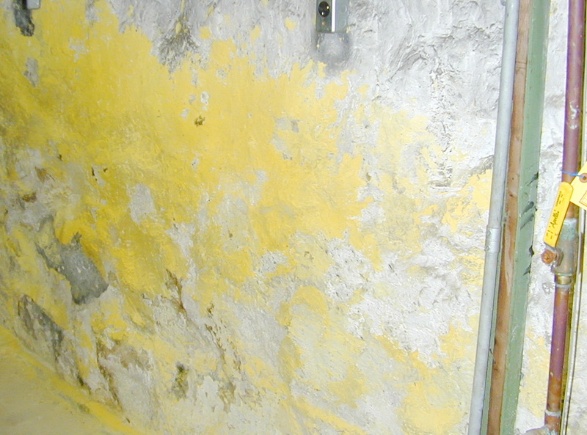
- If a stone foundation was painted yellow years ago, the pigment may contain lead chromate; have the paint tested for lead.
Asbestos
Asbestos is a mineral fiber that for years was frequently used in construction materials, including pipe insulation, vinyl floor tiles (especially 9”x9”), in joint compound, duct wrap, and exterior roof and siding shingles. Asbestos was also added to skim plaster, both to strengthen the material and to give it texture.
Tips:
- If you suspect that your home has asbestos-containing materials (ACMs), have the materials professionally tested.
- If asbestos is present, hire a professional to remove the material under strict containment conditions.
- I prefer removal to encapsulation (or wrapping), because if any repairs to the heating system or pipes are needed and ACMs (asbestos-containing materials) are present, those materials, even if incapsulated, may still be disturbed during the repair work.
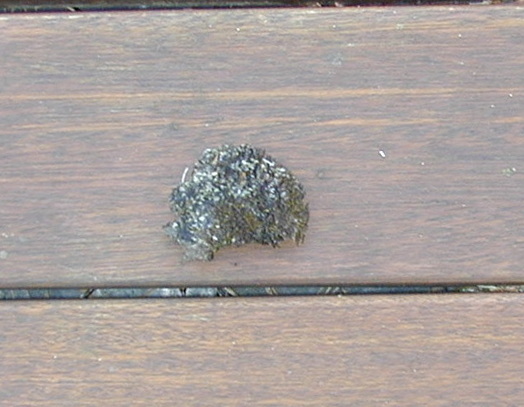
Case study: I investigated 100+ year-old home for a family with allergies. The roof shingles were an asbestos-cement composite over 50 years old. I could see from an attic window that tufts of asbestos were sticking out above the weathered shingles, which were covered with patches of moss. In addition, clumps of moss on the deck had visible asbestos, and there was asbestos in the gutters and soil around the foundation.
Spray Polyurethane Foam (SPF) Insulation
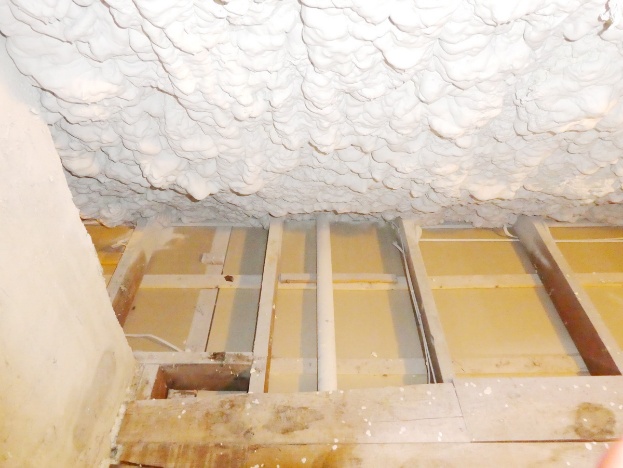
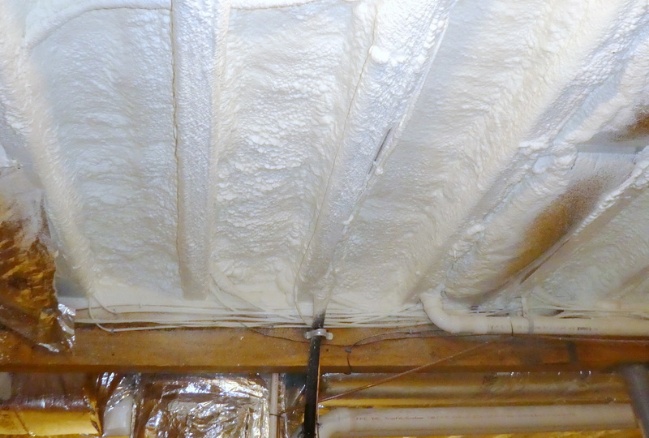
For many decades, fiberglass and cellulose insulations dominated the insulation market. More recently, spray polyurethane foam (SPF) insulation has become popular. Unlike fiberglass and cellulose, which can be purchased and installed as-is, SPF must be “manufactured” on-site. Formed by rapidly mixing two liquid chemical components pumped from 55-gallon drums and then fed through a mixing spray- gun nozzle, the SPF mixture is sprayed onto a surface, typically inside open wall or ceiling bays, or roof-rafter bays, but sometimes sprayed directly onto the interior of foundation walls.
There are many variables that can complicate the installation of SPF and lead to problems in the foam, including long-term odor emissions, cracks, and delaminations. In addition, the dust from SPF installations contains the chemicals in the foam, including potentially carcinogenic fire-retardants. And that dust as well as microscopic airborne droplets contain all the foam’s chemicals and can be inhaled deep into the lungs.
SPF is an outstanding insulation, and when processed and installed properly can outperform any other type of insulation. But manufacturers must better educate installers on safe and proper techniques for their SPF work before the insulation is banned the way urea-formaldehyde foam insulation (UFFI) was banned. (UFFI was a type of foam insulation used in the 1970s that off-gassed formaldehyde and made people ill).
There are two basic types of SPF insulation: open cell and closed cell. Open cell SPF is not dense and can be easily crushed; problematic open-cell foam can have a “sweet” chemical odor, stronger when heated up by the sun. Closed cell SPF is very hard; problematic installations can have the odor of dead fish (caused by the amine catalyst).
Tips:
- If you are considering having SPF insulation installed in your home, hire a company that has been doing this kind of work for at least 5 years, and gather references.
- Follow all manufacturers’ directions for vacating the property while the installation is ongoing. Typically, a manufacturer of the SPF components will recommend some ventilation for the work space and that occupants stay away for a day or two.
Case study: One family was having their dream house constructed and chose to have SPF insulation installed in every exterior wall cavity. The insulation was not installed properly, and the resulting odors were so irritating that the family could not live in the house.
Electromagnetic Fields
A growing number of people are calling us because they are concerned about electromagnetic fields (EMFs) emanating from electric-operated equipment and devices, including household appliances, Wi-Fi networks, computers, and electronics such as transformers, wiring, electric meters, and electric panels. Many people are also concerned about EMF from battery-operated devices such as cell phones. Among many healthcare professionals, the jury is still out regarding the potential deleterious effects that EMFs can have on human health. If you believe that you have symptoms of exposure to electromagnetic fields, the World Health Organization provides a fact sheet about this condition.
Tips:
- Steps to reduce exposure to EMF include reducing the number of Wi-Fi devices in your home, reducing interior sources of EMF such as digital clocks, and increasing the distance between a bed and exterior wiring (the service entry cable).
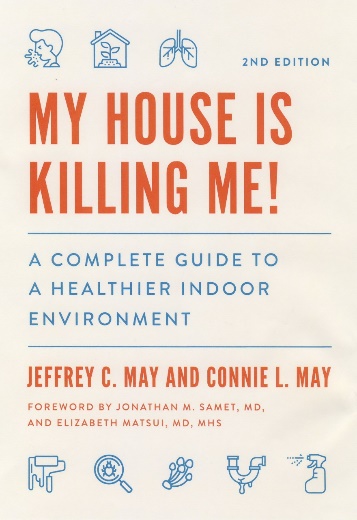
A fuller discussion of these issues can be found in Chapter 22 of our newest book on indoor air quality problems: the second edition of My House is Killing Me. The book is available on line.
The photographs in this article are the property of May Indoor Air Investigations LLC and can be used only with permission: jeff@mayindoorair.com.