
Homeowner Newsletter, Spring 2026
©2026 Jeffrey C. May
When the weather warms up and we open windows to air out the house, many of us take the opportunity to do some spring cleaning. Here are some spring-cleaning tips that could help you minimize your exposures to potentially allergenic dust.
Avoid Exposures to Dust.
- Use a vacuum with HEPA filtration (we use Miele models). A conventional vacuum spews out particulates in the exhaust stream.
- Use a vacuum with a bag, because when a bagless vacuum is emptied, potentially allergenic dust can be re-aerosolized.
- If you hire outside cleaners, insist they use your vacuum and not their own; otherwise, allergenic particles vacuumed up in another house could be spread into the air in your own home.
- To protect your skin, wear plastic gloves when cleaning surfaces.
- If you have house-dust allergies, wear a NIOSH N95, two-strap mask when cleaning, and change clothes and wash (including your hair) afterwards.
Don’t Forget Those Nooks and Crannies.
- Roll the refrigerator out, so you can clean the alcove in which it sits. Be careful not to disconnect any water line.
- Remove dust from radiator and/or baseboard heating convector surfaces.
- Clean behind, under, and below pieces of furniture, as well as the backs, bottoms, and legs of such pieces.
- Remove goods from below the kitchen sink and a bathroom sink, so you can clean those areas. (It’s easier to remove such goods if they are in plastic bins.) This will also offer you a chance to look for any evidence of a pipe leak.
- Clean kitchen-cabinet kick spaces to remove dust. Sometimes such surfaces can contain mold growth if they have been moistened by floor mops or spilled food. To clean such surfaces, you can use a detergent solution or any commercial cleaning solution that you can tolerate and that is intended for the purpose.
- Not to be indelicate, but clean the bottom of a toilet tank to remove dust. If mold growth appears to be present, you can use a detergent solution or any commercial cleaning solution that you can tolerate and that is intended for the purpose.
- HEPA vacuum window blinds; wash or dry clean curtains as appropriate.
- Clean surfaces (floors, baseboards, shelving) in closets; remove goods to do so.
An exterior closet – one with at least one wall that faces the exterior – can contain mold growth. If you see dark spots on the lower foot of a wall or on the baseboards in an exterior closet, you can wipe those surfaces with a detergent solution or with any commercial cleaning solution that you can tolerate and that is intended for the purpose.
9. Wipe clean the inner and outer sides of the door gasket of a front-loading washing machine.
Is it Hot or Cold?
- If you have any mini-splits in your home, check to see if the interior or louvers of a mini-split contain dark spots, which are indicative of mold growth. Any mini-split should be inspected annually and cleaned as needed, which requires encasing a mini-split in a bag, so this work is best done by a professional.
- If your duct system is used only for cooling, the spring is a good time to have the ducts, as well as the blower, blower cabinet, and cooling coil in the air handler, professionally inspected and cleaned as needed, before you turn the A/C on for the season. Replace the filter as needed.
To Use or Not To Use
- Fragrances may be pleasant to smell, but they add to the chemical load of indoor air, so avoid cleaning products and laundry detergents that contain fragrances.
- Avoid laundry detergents that contain enzymes, which include subtilisin and anything ending in “ase,” such as protease and amylase. Always read the label, as formulations change over time. Unfortunately, many “natural” and “organic” laundry detergents contain enzymes.
Most of our clients have environmental sensitivities, and many of them report experiencing skin irritation, coughing, respiratory symptoms, and/or even fatigue when using enzyme-containing laundry detergents. Unless materials are washed in hot water and/or are dried in a hot dryer, enzyme activity remains in the fabric, including in sheets and clothing.
These and many other tips for healthy cleaning habits can be found in our books, including the second edition of My House is Killing Me and our workbook Jeff May’s Healthy Home Tips. Both books are available on line.
Some Photographs
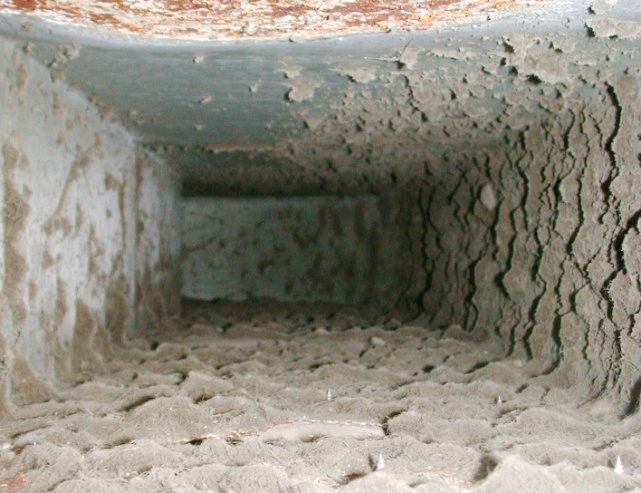
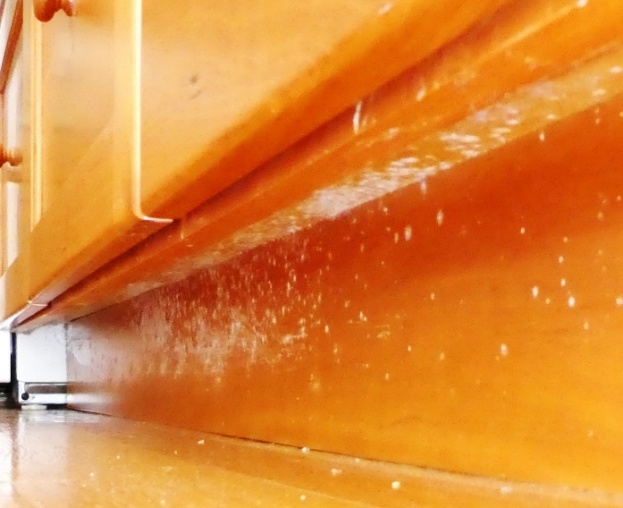
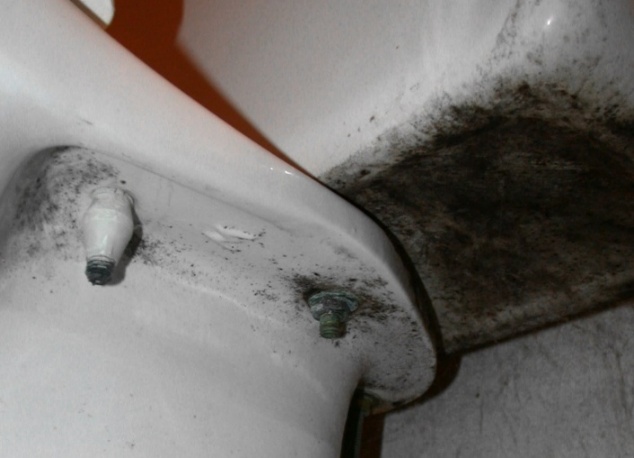
These photographs may be used with permission. Call 978-649-1055 or email Jeff: jeff@mayindoorair.com. Thank you.
Jeff has been sending newsletters to his clients since 2013. This is his 53rd such newsletter. If there are any topics that are of particular interest to you, please let us know: jeff@mayindoorair.com. If Jeff has already written a newsletter on that topic, he will send you that newsletter. It not, he will consider writing about that topic in a future newsletter. Thank you.
Check out an article that mentions our latest book, Edition 2 of My House is Killing Me: https://www.energyvanguard.com/blog/5-ways-to-get-carbon-monoxide-poisoning-in-an-all-electric-home/.